Sell your Cardiff Bay house fast for cash.
Cardiff Bay is almost entirely leasehold apartment stock — waterside new-builds around Mermaid Quay and Prospect Place, converted warehouses and dockside conversions, and later high-rise blocks. Since the post-Grenfell lending changes, the single biggest reason a Bay flat cannot sell has nothing to do with the flat itself: it is the external wall construction of the block it sits in.
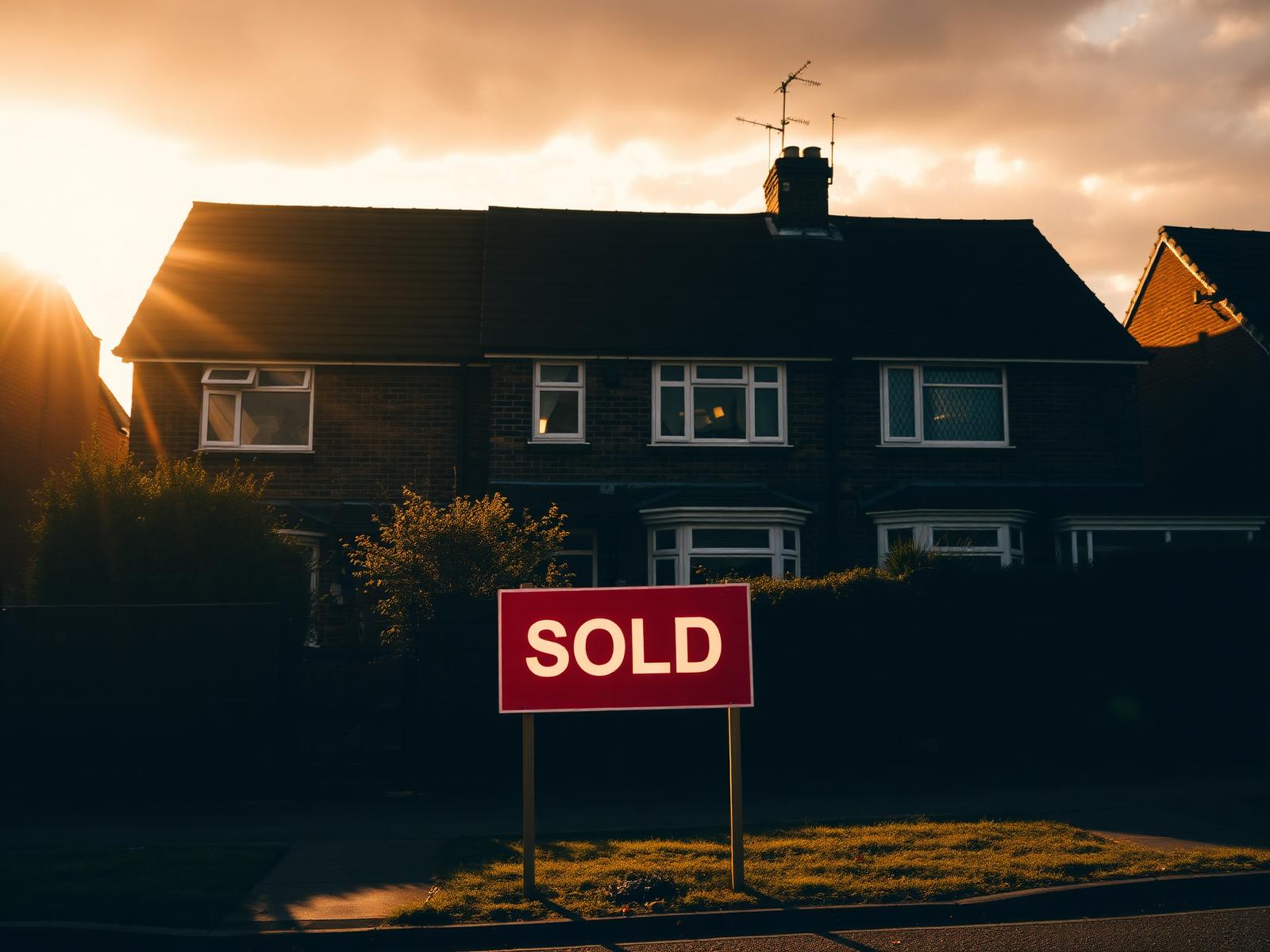
Cardiff Bay property market
CF10 and CF11 apartment values held up well through regeneration, but a meaningful share of Bay blocks either have unresolved EWS1 status, sit inside the Welsh Government's Building Safety Programme, or are mid-remediation. Where an acceptable EWS1 rating cannot be produced, valuers routinely return nil valuations and mainstream lenders decline, cutting the buyer pool to cash purchasers only. On top of that, leaseholders face interim costs — waking watch, increased buildings insurance, and service-charge demands — while ground rents on older leases escalate and unexpired terms shorten below the 80-year marriage-value threshold.
Selling elsewhere in the city? See our main sell house fast Cardiff page.
Typical property types
- New-build waterside apartments
- Converted warehouse and dockside flats
- High-rise leasehold apartments
- Penthouses and duplexes
Why Cardiff Bay sellers choose a cash sale
- Cladding or EWS1 status blocking every mortgage offer
- Block awaiting or undergoing remediation
- Waking-watch and interim service charges becoming unaffordable
- Short lease or escalating ground rent
- Landlord exit from a Bay buy-to-let
Cardiff Bay FAQs
Do you buy Cardiff Bay flats with cladding or EWS1 issues?
Yes. We do not rely on a lender, so an absent or unsatisfactory EWS1 form does not decide whether the purchase goes ahead. Blocks awaiting remediation and blocks mid-works are both fine.
My block is in the Welsh Government Building Safety Programme. Can I still sell?
Yes. Our solicitors review the lease, management pack and remediation position, and we complete on that basis rather than waiting for the programme to conclude.
Will you buy a flat with under 80 years left on the lease?
Yes. Short leases and escalating ground rents are priced into the offer instead of blocking the sale — you do not need to fund a lease extension before selling.
Do I have to keep paying waking-watch charges until completion?
Service charges remain the leaseholder's liability up to completion and are apportioned in the normal way, but a fixed completion date stops the meter running rather than leaving it open-ended.
Nearby areas of Cardiff we buy in
We buy homes in Cardiff Bay as part of our sell house fast in Cardiff cash buying service, covering every Cardiff postcode.